Choose Claude Code when coding needs supervised local control: a developer watching the repo, steering a terminal, IDE, desktop, or browser session, and using skills, subagents, and model controls to reason through a large codebase before edits. Choose OpenAI Codex when the job can be delegated across app, IDE, CLI, cloud, GitHub, CI, browser/computer-use, connected workspace context, and host-mediated remote follow-up.
That split matters more than a single benchmark score in 2026. Codex remote connections now let the ChatGPT mobile app work with Codex on a connected Mac or continue work from another Codex App device, while the host machine still owns the project files, commands, credentials, tools, browser setup, and approvals. Claude Code has also widened beyond a narrow terminal-only frame, but its strongest default remains human-supervised local coding, project-specific skills, subagents, and conditional long-context work.
Use both only when ownership is explicit: Claude Code explores and plans locally, Codex implements, reviews, or automates isolated lanes, CI and browser checks verify, and a human owns merge. Treat prices, limits, model aliases, context windows, remote setup, API-key routes, cloud features, and benchmark scores as dated facts, not permanent truths.
The Short Verdict
Claude Code and Codex now overlap on "write code for me", but the useful comparison is not a generic intelligence contest. Claude Code behaves best as a supervised local coding partner. Codex behaves best as a delegated engineering workbench that can move through app, IDE, CLI, cloud, GitHub, CI, browser checks, mobile follow-up, and connected workspace context.
Use Claude Code first when:
- the task depends on relationships across many files and local conventions;
- you want to watch, interrupt, or redirect changes as they happen;
- the project benefits from Skills, subagents, hooks, memory, and toolchain-specific routines;
- the work is an architecture change, deep refactor, migration plan, or careful debugging session where the reasoning path matters.
Use Codex first when:
- you want to hand off isolated implementation, review, or verification tasks and inspect the result later;
- the work belongs in GitHub, CI, code review, a cloud task, or a configured development environment;
- the task needs browser/computer-use checks, mobile remote follow-up, or context from connected tools;
- parallel delegated lanes matter more than one deeply supervised local session.
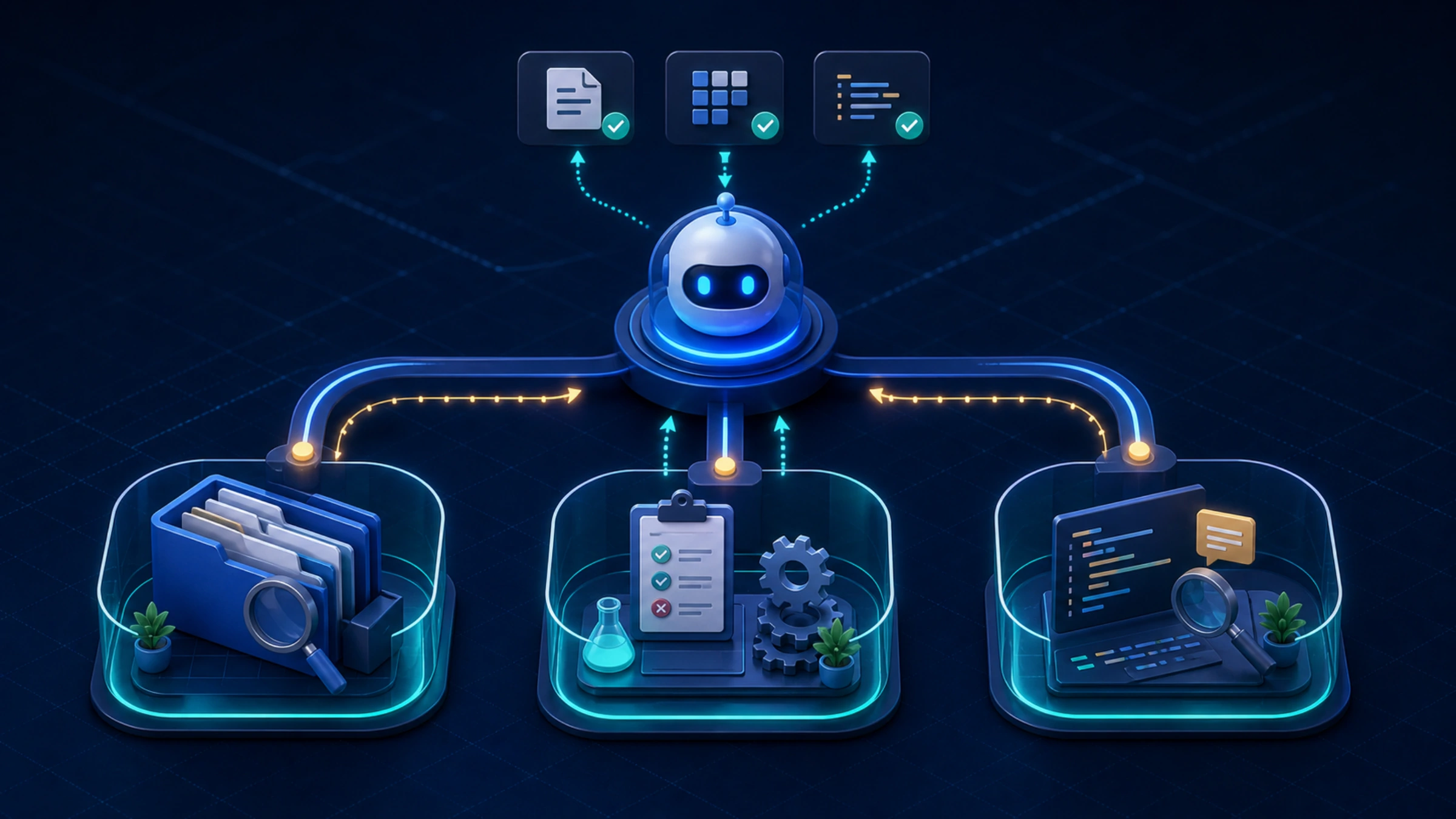
Use both only when the risk is split. Claude Code can explore the repo, identify coupling, and shape the implementation plan. Codex can then implement a bounded branch, review a PR, run a browser check, or turn a manual review into a repeatable CI action. The strongest setup is not tool loyalty; it is assigning each agent to the part of the engineering job it can own cleanly.
What Changed In Codex
Older Claude Code vs Codex comparisons often treated Codex as either a CLI or a cloud coding assistant. That framing is now too narrow. OpenAI's Codex quickstart describes Codex across the app, IDE extension, CLI, and cloud at chatgpt.com/codex. The IDE extension can read files, run commands, and write changes in the project directory, while the cloud route can connect to GitHub repositories through configured environments, run background tasks, show logs, review diffs, and create pull requests.
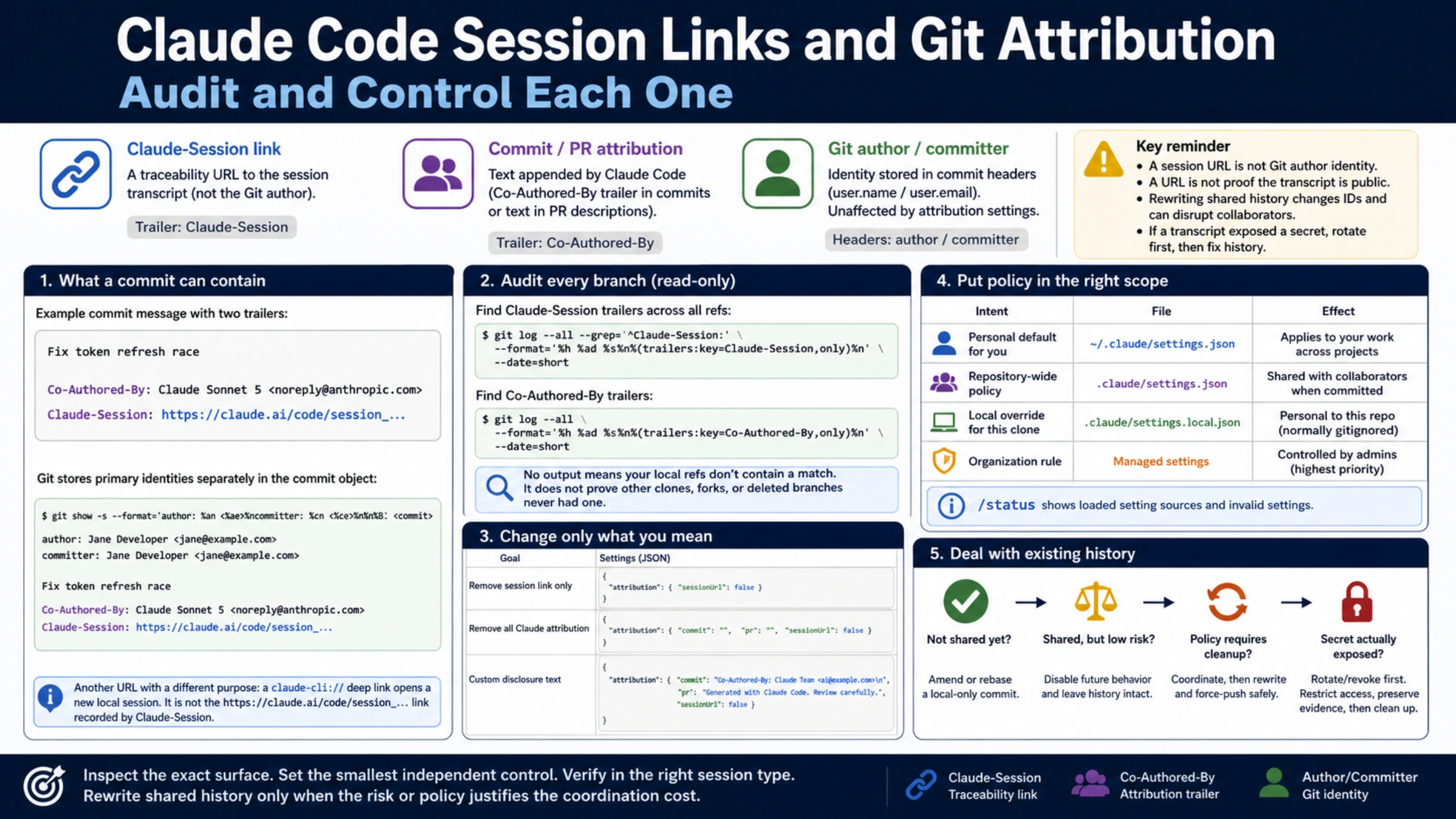
The newer material change is remote control. OpenAI's remote connections docs, checked on May 25, 2026, say the ChatGPT mobile app can work with Codex on a connected Mac, continue work from another Codex App device, or connect the Codex App to projects on an SSH host. The phone sends prompts, approvals, and follow-up messages, but the connected host still supplies repository files, commands, MCP servers, skills, browser access, Computer Use, sandboxing, credentials, permissions, and approvals. The same docs say mobile setup currently requires the Codex App for macOS; the Codex App for Windows does not support mobile setup yet.
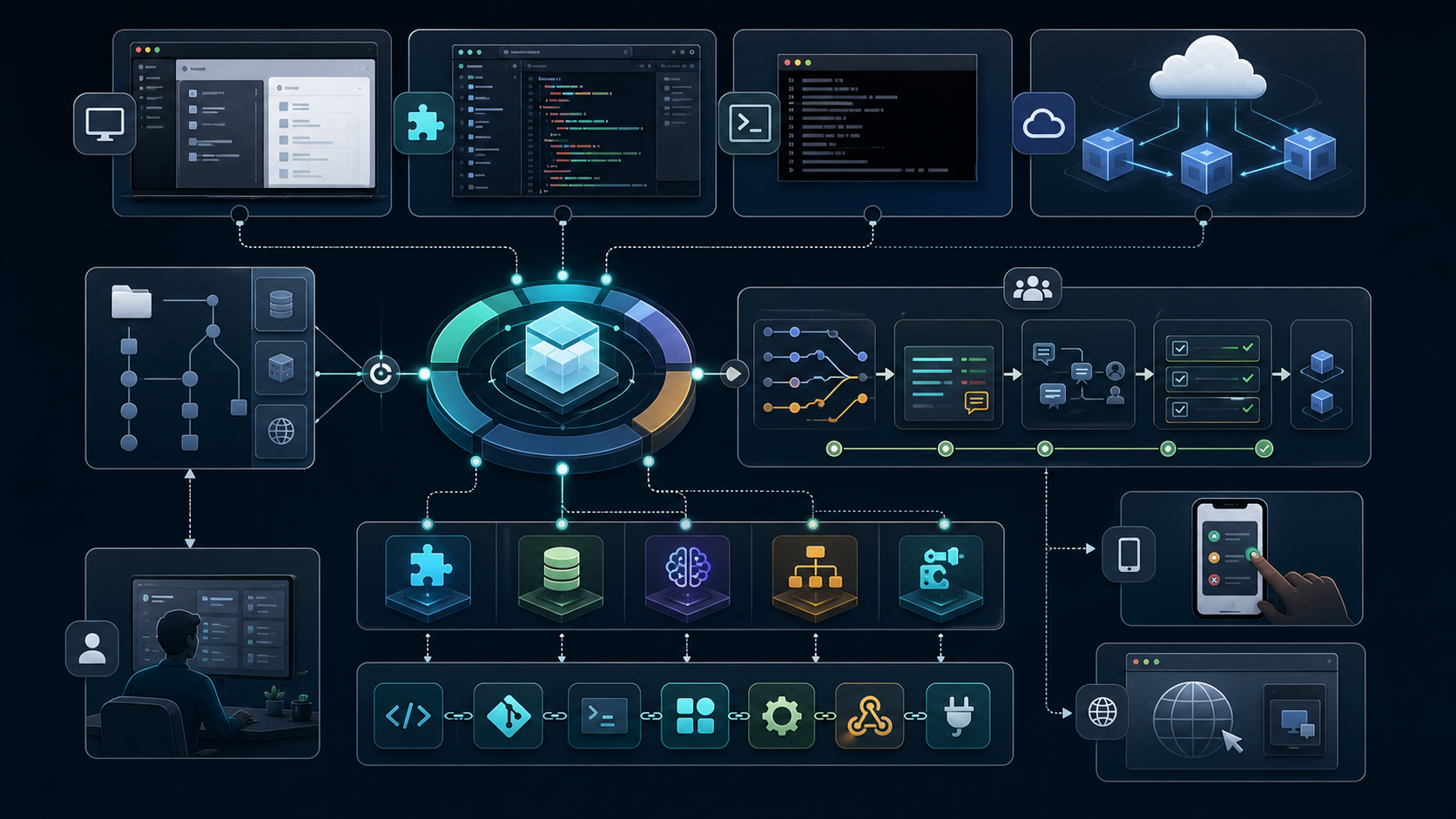
The operational change is simple: Codex is no longer just "the OpenAI coding model". It is a system for assigning engineering work across controlled surfaces. The Codex GitHub Action makes that explicit by running Codex in CI/CD jobs, applying patches, or posting review comments. The configuration reference shows why this matters for teams: model selection, review model, approval policy, sandbox mode, project instructions, skills, apps/connectors, hooks, memories, MCP, multi-agent features, web search mode, and filesystem or network permissions are all part of the product contract.
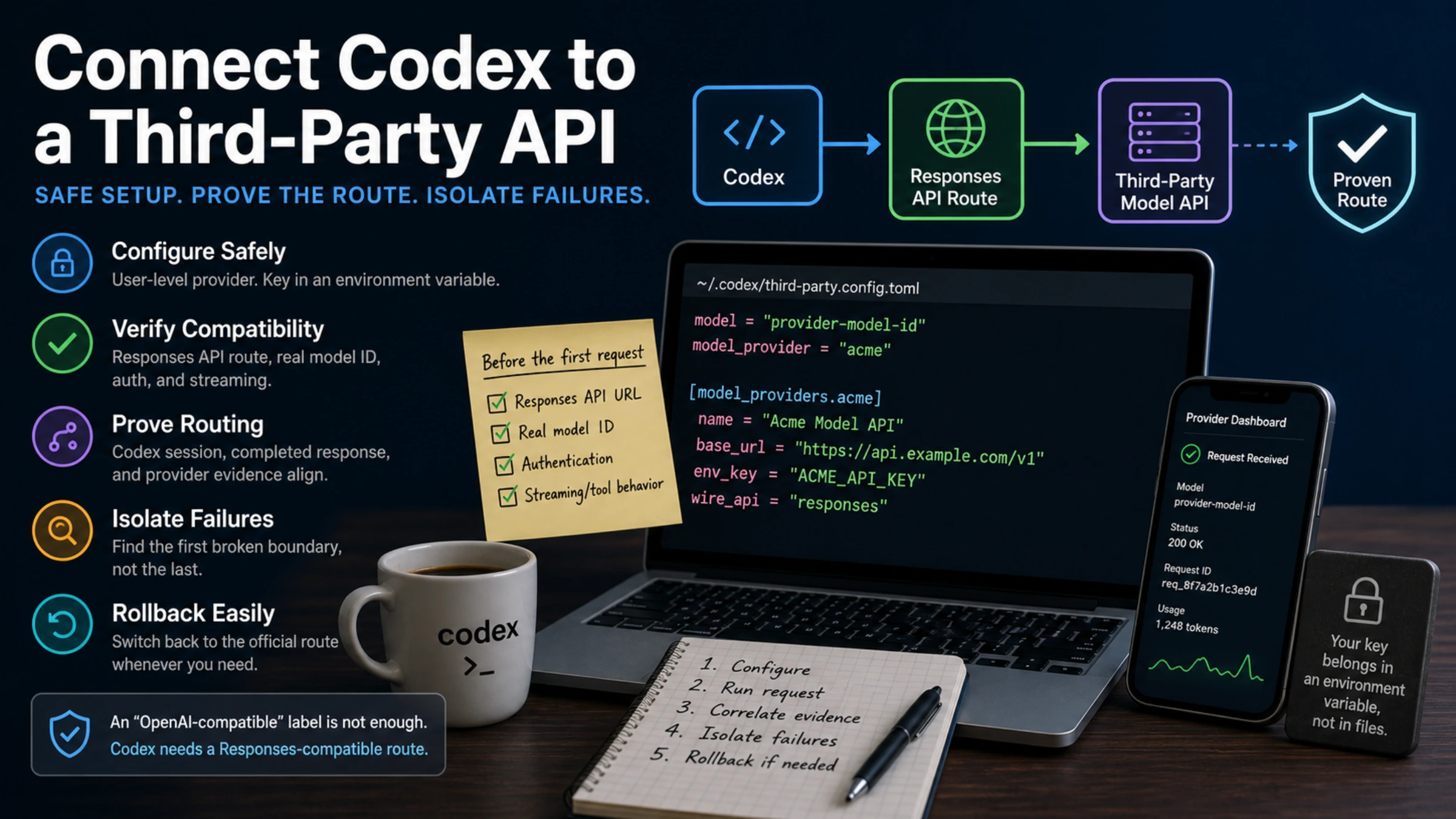
Access route also matters. OpenAI's Codex pricing page, checked on May 25, 2026, says API-key use covers Codex in the CLI, SDK, or IDE extension, but not cloud-based features such as GitHub code review or Slack. OpenAI's enterprise docs also split Codex local, which runs on the developer computer in a sandbox, from Codex cloud, which runs in hosted containers for cloud, iOS, code review, and Slack/Linear-created tasks. That is a workflow boundary, not just a billing detail.
That is why a pure benchmark comparison misses the point. If the job is "make this local refactor while I supervise every step", Codex may not be the natural default. If the job is "take this bounded issue, work in an isolated environment, return a branch, and let CI or a reviewer check it", Codex has become much harder to dismiss. The tradeoff is that delegation still needs review: more surfaces do not make complex migrations, fragile browser tasks, or failing tests automatically correct.
Where Claude Code Still Leads
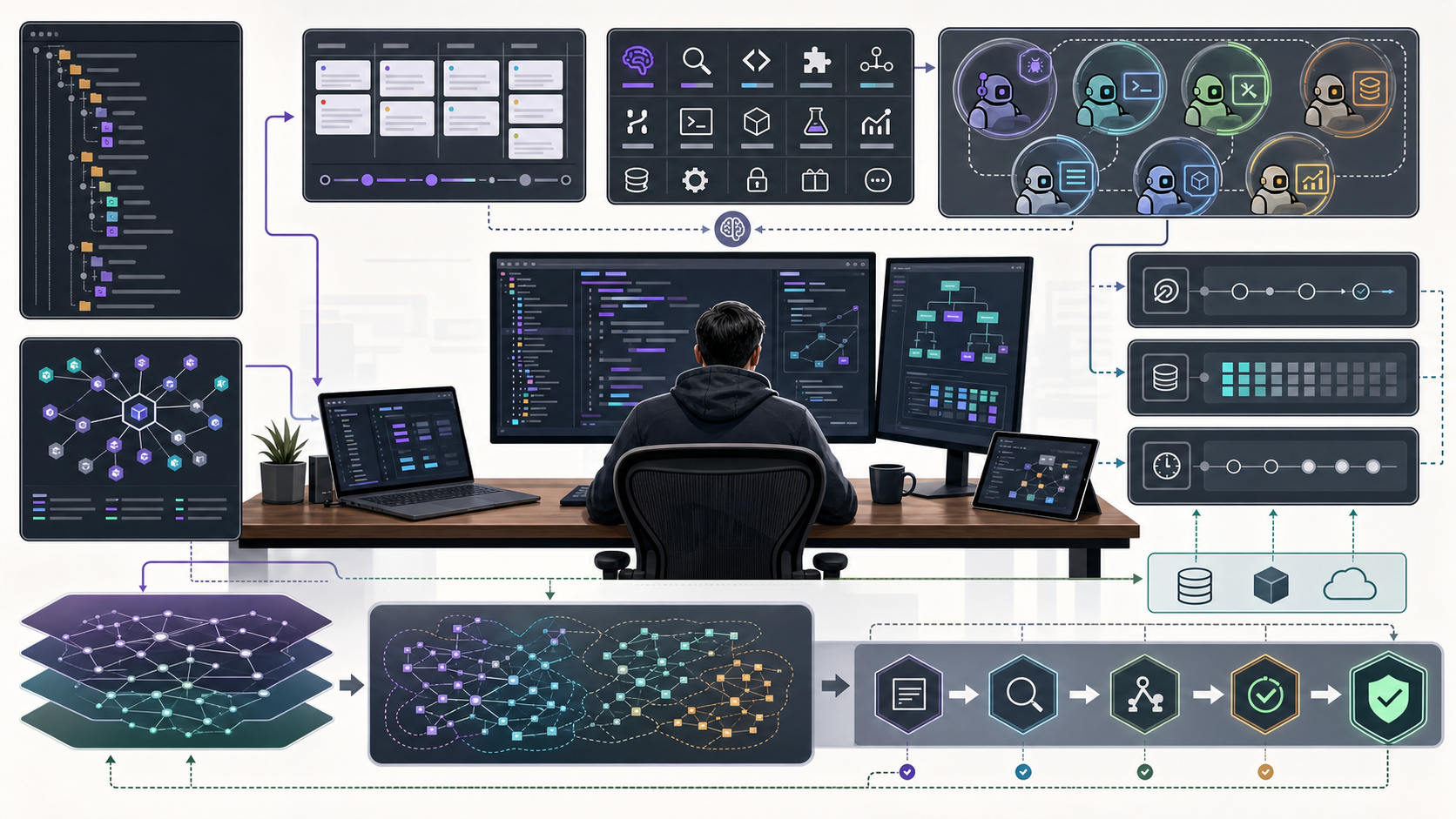
Claude Code's strongest lane is still local, interactive codebase work. Anthropic's Claude Code overview now describes a broader surface than "terminal only": terminal, IDE, desktop app, and browser. It reads the codebase, edits files, runs commands, integrates with development tools, and is positioned for building features, fixing bugs, and automating development tasks across multiple files and tools.
The advantage is not just "Claude writes better prose" or "Claude has a bigger context window". The advantage is the shape of the working session. A developer can keep Claude Code close to the repository, interrupt it, ask it to inspect a dependency chain, revise the plan, and keep the work inside project conventions. For teams with unusual monorepo layouts, private setup scripts, brittle local tooling, or strict review habits, that supervision can matter more than raw speed.
Anthropic's model configuration docs also make the context conversation more precise than many older comparisons. Current as of May 25, 2026, Claude Code supports aliases such as best, sonnet, opus, haiku, sonnet[1m], opus[1m], and opusplan, while warning that aliases update over time and can resolve differently across providers. On Anthropic API and Claude Platform on AWS, the page currently maps opus to Opus 4.7 and sonnet to Sonnet 4.6; Opus 4.7 requires Claude Code v2.1.111 or later.
The same page currently says Opus 4.7, Opus 4.6, and Sonnet 4.6 support 1M-token context for long sessions with large codebases, but availability depends on model and plan. On Max, Team, and Enterprise plans, Opus is automatically upgraded to 1M context; Sonnet with 1M context requires usage credits on every subscription plan, including Max. The practical lesson is not "Claude Code always has 1M context." It is that Claude Code offers a strong long-context route when the plan, model, provider, and version line up.
Claude Code's specialization layer is also mature. Anthropic's subagents docs describe specialized assistants with their own context windows, prompts, tool access, and independent permissions, while the skills docs describe skills as SKILL.md-based instruction bundles with invocation control, subagent execution, and dynamic context injection. In a project that needs repeatable local rules, house workflows, and careful tool permission boundaries, that local specialization can be more valuable than a cloud task queue.
The Decision Matrix
| Job | Start with Claude Code | Start with Codex | Use both |
|---|---|---|---|
| Large refactor | Strong default when repo-wide relationships and local conventions matter. | Useful only after the refactor is sliced into bounded branches. | Claude plans and reviews coupling; Codex implements isolated lanes. |
| Bug investigation | Strong when reproduction depends on local state, logs, and careful reasoning. | Strong when the failure is easy to reproduce in a sandbox or CI. | Claude narrows the cause; Codex prepares the patch and repeatable check. |
| Pull request review | Useful for deep local review before or after pushing. | Strong fit for delegated review and GitHub workflows. | Codex reviews the PR; Claude checks subtle architecture or migration risk. |
| CI or release checks | Useful when the local environment is the source of truth. | Strong fit through Codex Action and repeatable automation. | Claude diagnoses the check; Codex codifies it in CI. |
| Browser or UI verification | Useful when the developer is steering a local session. | Stronger when browser/computer-use checks can be delegated. | Claude plans the scenario; Codex runs or updates the verification route. |
| Remote follow-up | Not its main advantage. | Stronger when you need to continue, approve, or redirect active work through a connected host or Codex App device. | Codex keeps delegated work moving; Claude handles local integration later. |
| Docs, tickets, and connected context | Useful if the context is already local or in project files. | Stronger when connectors and workspace context are part of the job. | Codex gathers or verifies context; Claude turns it into repo-specific changes. |
| Sensitive local code | Stronger default when code should stay under tighter local supervision. | Depends on cloud, enterprise, sandbox, and organization policy. | Use Codex only for bounded, approved tasks with explicit permissions. |
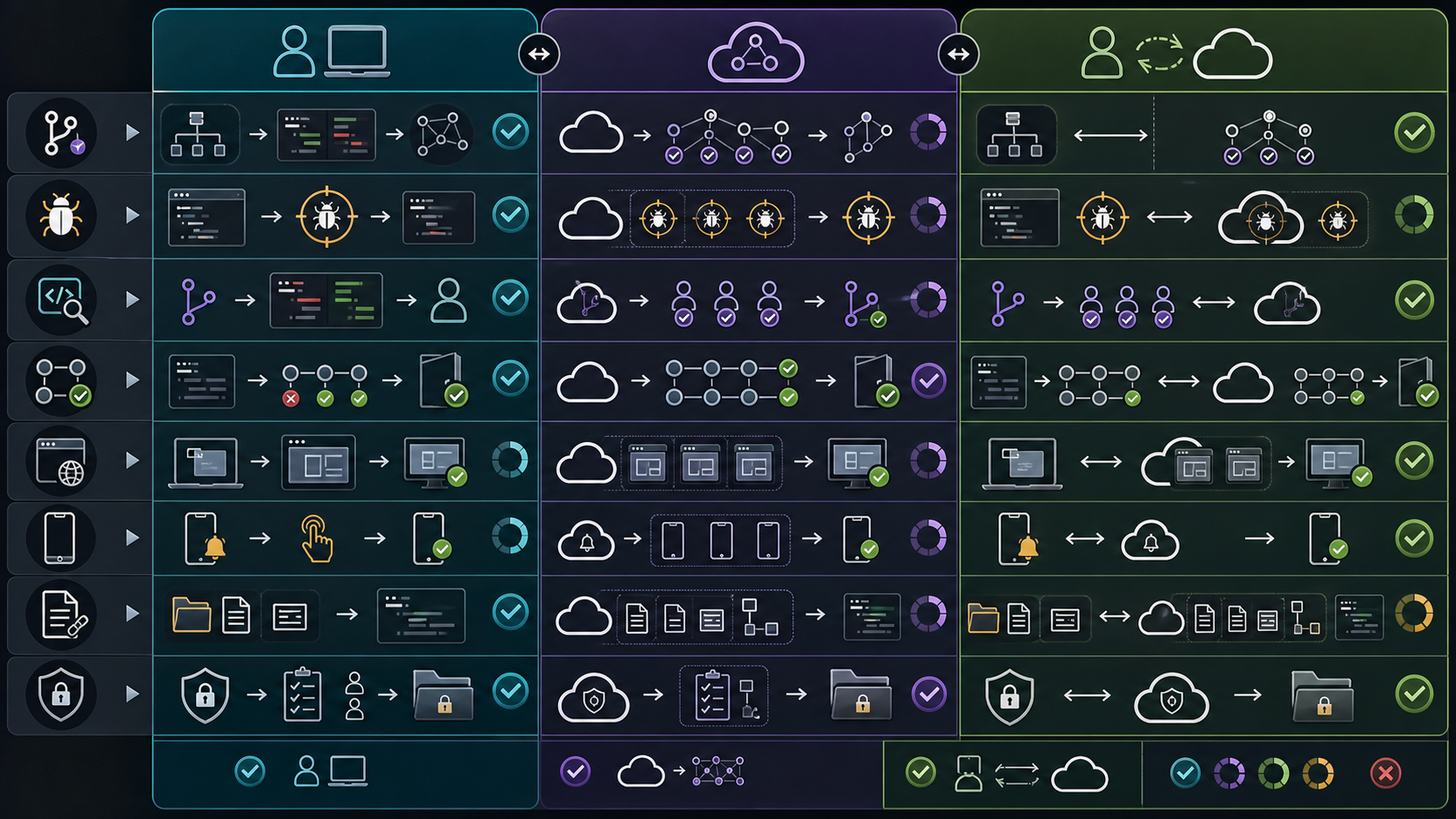
The matrix has one practical rule: choose the tool based on where the work should run and who should be watching it. If the work belongs in the developer's local loop, Claude Code is usually the safer first move. If the work belongs in a delegated lane with reviewable output, Codex is usually the stronger first move.
Volatile Facts: Pricing, Limits, Models, Context, Benchmarks
Exact prices, rate limits, model names, context windows, remote setup details, API-key boundaries, cloud features, and benchmark scores are the least durable part of this topic. They matter for buying decisions, but they should not be the spine of the article.
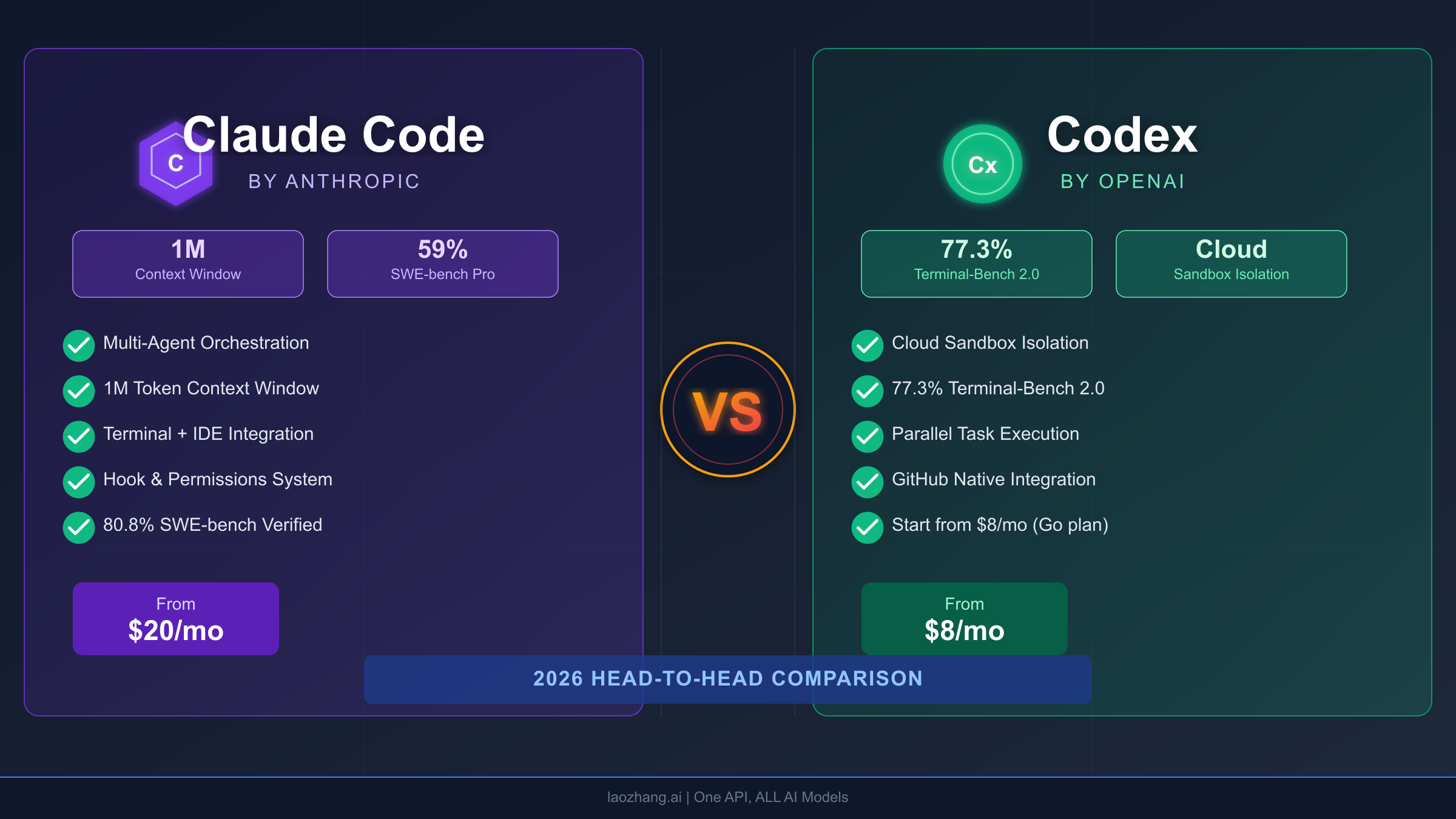
For Codex, current pricing and access depend on surface. OpenAI's Codex pricing page, checked on May 25, 2026, lists Free, Go, Plus, Pro, and API Key routes. The same page separates web, CLI, IDE extension, iOS, cloud-based integrations, GitHub review, Slack integration, model access, and usage ranges. It also says API Key use covers Codex in CLI, SDK, or IDE extension but does not include cloud-based features such as GitHub code review or Slack. Pro starts at $100/month, and OpenAI says the $100/month Pro tier has double normal Codex usage through May 31, 2026. Treat that as a temporary dated buying fact, not a stable capability rule.
For Claude Code, pricing and usage also need qualification. Anthropic's support pages checked on May 25, 2026 say Pro and Max subscription usage is shared across Claude and Claude Code, and setting ANTHROPIC_API_KEY can move Claude Code into API-billed usage. If the buying question is limits rather than workflow, compare the current official pages and a focused usage guide such as Claude Code usage limit issues.
Benchmarks can still help, but only after the workflow decision is clear. SWE-bench-style results are useful for complex bug-fix reasoning. Terminal or automation benchmarks are useful for shell-heavy work. They do not answer whether your team needs supervised local control, delegated GitHub work, browser verification, mobile remote follow-up, connected workspace context, or enterprise governance.
A Practical Hybrid Workflow
The cleanest hybrid pattern is not "ask both agents the same question". That wastes time and creates contradictory patches. A better pattern splits ownership before either agent edits code.
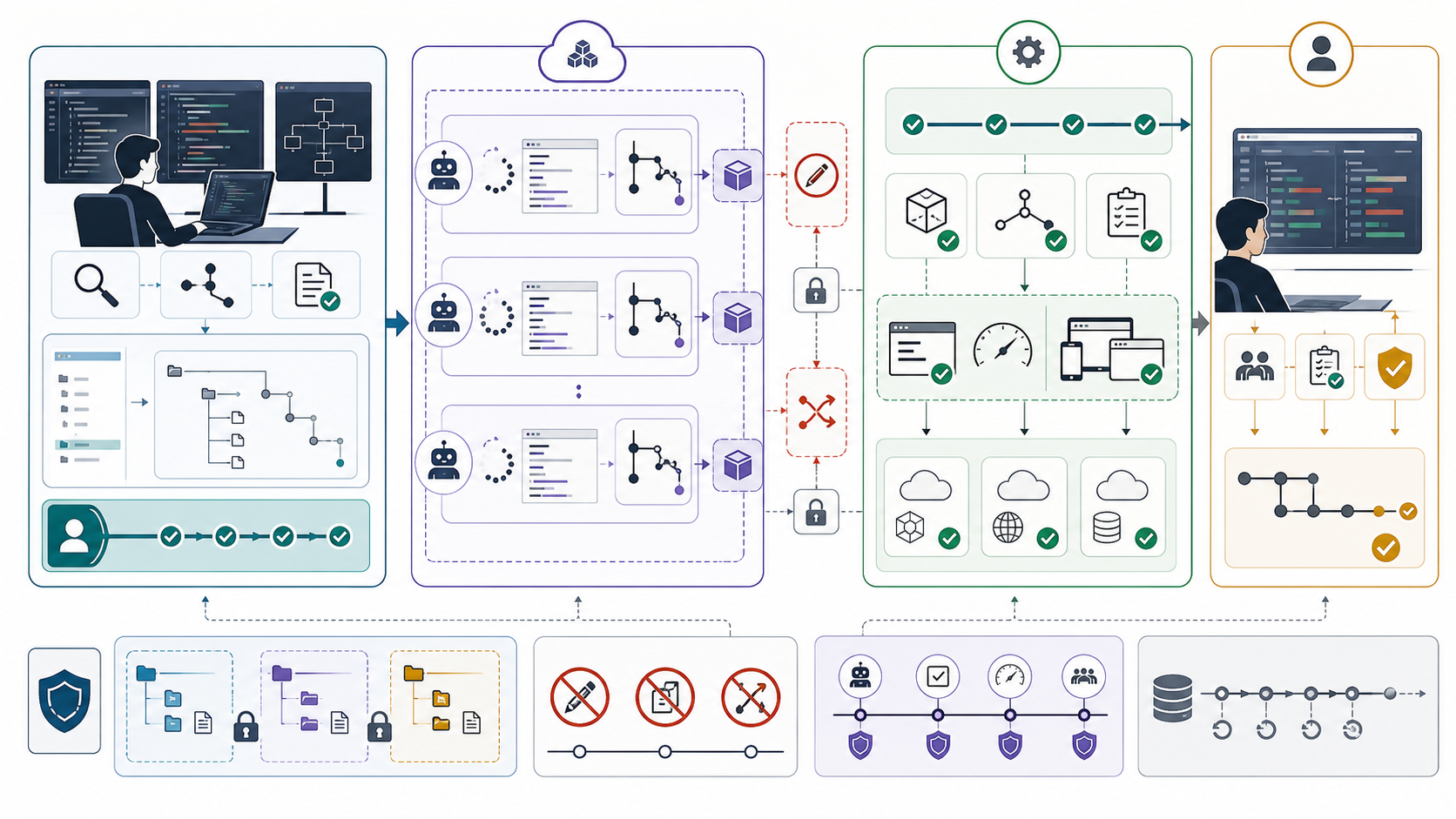
- Use Claude Code to inspect the local repo, identify risk, read project-specific instructions, and produce a migration or implementation plan.
- Turn that plan into bounded tasks with clear file ownership.
- Assign Codex the tasks that can run in isolation: branch work, PR review, CI updates, browser checks, dependency updates, remote follow-up, or repeated code review.
- Review Codex's output like any other external contribution.
- Bring Claude Code back for final local integration if the patch touches architecture, subtle dependencies, or codebase-wide behavior.
The ownership contract should be written down in plain terms: which files Claude Code may reason about, which files Codex may edit, which checks must run, which branch or PR carries the work, and who approves merge. This keeps Claude Code as the close local reasoning partner and Codex as the delegated execution and review layer. The human keeps responsibility for the boundary between them.
Final Recommendation
Choose Claude Code when the coding session should feel like a careful local pairing session. It is the better starting point for large-codebase reasoning, human-steered refactors, project-specific Skills, subagents, hooks, memory, and local control.
Choose Codex when the task is ready to delegate. It is the better starting point for app, IDE, CLI, cloud, GitHub and PR workflows, CI/CD review, browser/computer-use checks, host-mediated remote follow-up, connected workspace context, and repeatable automation.
Use both when the work has two different risk profiles. Claude Code can answer "what should change and why?" Codex can answer "can this bounded task be implemented, checked, reviewed, or repeated without keeping a developer in the loop the whole time?" That is the comparison that matters in 2026.
FAQ
Is Codex better than Claude Code now?
Codex is better for delegated multi-surface work: cloud tasks, GitHub, PR review, CI automation, browser/computer-use, remote follow-up, and connected workspace context. Claude Code is still the stronger default for supervised local coding, deep repo reasoning, project-specific skills, subagents, and careful refactors.
What changed in Codex recently?
The important change is not only model quality. Codex now has a wider operating surface across app, IDE, CLI, cloud, GitHub, CI, browser/computer-use, connectors, hooks, memory, MCP, skills, automations, and remote connections. Current OpenAI docs frame mobile follow-up as host-mediated: the phone can send prompts and approvals, but the connected host supplies the repo, tools, credentials, browser setup, and permissions.
Is Claude Code better for large codebases?
Usually, yes, when the task depends on local project context, cross-file reasoning, and human supervision. The official Claude Code docs also document 1M-context routes, but current availability depends on model, plan, provider, and version. Do not treat long context as unconditional across every account.
Can Codex replace Claude Code?
It can replace Claude Code for some delegated implementation, review, CI, browser, and GitHub jobs. It should not automatically replace a local supervised workflow for architecture-sensitive refactors, private-tooling debugging, or changes where a developer needs to interrupt the reasoning path minute by minute.
Should I use both Claude Code and Codex on the same repo?
Yes, if you separate ownership. Do not ask both tools to edit the same files at the same time. Use Claude Code for local exploration and planning, then delegate bounded implementation, review, CI, or browser tasks to Codex. Keep final merge authority with a human reviewer.
Which one is cheaper?
Do not decide from stale comparison tables. Subscription plans, usage caps, API-key billing, model routing, and token economics move quickly. Verify current OpenAI and Anthropic plan pages on the same day you make a buying decision.
Which one is safer for private code?
Claude Code's local working posture can be easier to supervise for sensitive repo work, but safety depends on plan, enterprise controls, data policy, and the exact task. Codex's cloud and GitHub workflows can be appropriate when the environment and permissions are explicitly configured.
What should I do if I already use Claude Code?
Keep it for local repo reasoning and careful refactors. Add Codex where delegation helps: PR review, CI checks, browser tasks, remote follow-up, dependency updates, and bounded implementation work that can be reviewed after the agent finishes.